UK mortgage rates explained: fixed vs tracker vs variable
Every UK mortgage charges interest in one of a handful of ways, and the type you pick has a bigger effect on your monthly payment — and your peace of mind — than almost any other decision you'll make when buying or remortgaging. Here's what each one actually means.
Fixed-rate mortgages
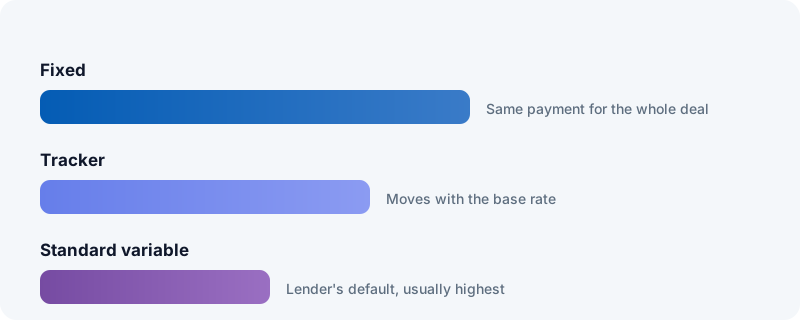
Your interest rate is locked for an agreed period — typically two, three or five years. Your monthly payment stays exactly the same for that period, regardless of what happens to the Bank of England base rate or wider markets. This is the most popular choice in the UK because it makes budgeting predictable: you know precisely what you'll pay each month until the fixed term ends, at which point you'll usually need to remortgage onto a new deal.
Tracker mortgages
A tracker rate moves in direct lockstep with a public benchmark — almost always the Bank of England base rate — plus a fixed margin set by the lender (for example, "base rate + 0.75%"). When the base rate rises, your payment rises within a month or two; when it falls, so does your payment. Trackers can work out cheaper than fixed deals when rates are falling or stable, but they carry the risk of payments increasing at short notice.
Standard variable rate (SVR)
Every lender has a default rate — the SVR — that your mortgage automatically moves to once your initial fixed or tracker deal ends, unless you remortgage onto a new one. SVRs are set by the lender at their own discretion and are almost always higher than any current fixed or tracker offer, which is why most homeowners remortgage before their deal expires rather than "falling onto" the SVR.
The type of rate matters, but so does the term — a 25-year repayment mortgage and a 35-year one at the same rate can differ by hundreds of pounds a month.
Repayment vs interest-only
Separately from the rate type, you'll also choose how the loan itself is repaid. A repayment mortgage pays down both interest and capital each month, so the balance shrinks to zero by the end of the term. An interest-only mortgage only covers the interest — your monthly payment is lower, but the original loan amount is still owed in full at the end, so you need a separate plan (savings, investments, or sale of the property) to clear it.
A quick note
Rates, lender criteria and product availability change constantly — always check current deals with a lender or a qualified mortgage broker before making a decision. This guide explains how the mechanics work, not what today's best rate is. See our full disclaimer.